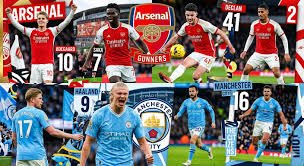
Across the 2021/22 Premier League season, corners followed recognisable patterns tied to playing style, territory and shot volume rather than pure randomness. For bettors willing to read those patterns, certain teams consistently produced high or low corner counts, making them logical candidates for over/under corner markets instead of treating corner lines as background noise.
Why Corner Markets Deserve Structured Analysis
Corner totals are a direct by‑product of how and where teams attack, so their averages tend to stabilise over a season. Sides that dominate territory, shoot often and force blocks naturally rack up corners for, while those defending deep and facing many crosses concede more corners even if they attack rarely themselves. Because of this cause‑and‑effect link, over/under corner lines can be approached with the same data‑driven logic as goal or shot markets, rather than as “random side bets.”
The Overall 2021/22 Corner Environment
League‑wide, the Premier League tends to sit near 9.8–9.9 corners per match as a combined average, with around 5.2 for home sides and 4.6 for away. That baseline matters because it anchors how bookmakers typically set main lines around 9.5–10.5 total corners for many fixtures before team‑specific adjustments. In 2021/22, an ongoing emphasis on attacking full‑backs and wing play, plus a steady share of goals coming from corners—around 13.6% of all goals in that season—kept corner activity prominent for high‑pressing, possession‑heavy teams.
Teams That Pushed Matches Toward High Corner Totals
Some clubs repeatedly drove matches above the league’s average corner line because of how they built attacks and sustained pressure. High‑possession giants such as Manchester City and Liverpool generated many shots from wide areas and recycled the ball after blocks, increasing both “corners for” and, indirectly, “corners against” as opponents countered and forced defensive interventions in return. Arsenal and Chelsea also sat toward the upper end of corners per game, reflecting extended time in the attacking third and frequent use of overlapping full‑backs and crossing zones.
Mechanisms Behind High-Corner Teams
High‑corner teams typically share three structural traits: territorial dominance, crossing volume and second‑phase pressure. Territorial dominance keeps the ball in the final third, so deflections, blocks and last‑ditch challenges accumulate into corners over 90 minutes, even when individual sequences do not look dangerous. Crossing volume—from overlapping full‑backs or wingers cutting inside and shooting—drives a steady stream of blocked crosses and shots, again feeding corner counts. Finally, strong counter‑pressing recovers loose balls quickly, leading to repeated attacks and multiple corners within short bursts, making overs more likely even if scoring remains modest.
Teams Whose Matches Naturally Trended to Lower Corner Totals
At the other end, some 2021/22 sides tended to produce fewer total corners because their games were slower, more central and less about flooding the penalty area with crosses. Clubs that defended deep but compactly, funnelling attacks into crowded central areas, often conceded fewer corners than expected because opponents were forced into long shots or blocked passes rather than last‑second wide clearances. Teams with limited attacking ambition and low shot counts also reduced combined corners, as they contributed little themselves while occasionally steering opponents into safer, lower‑risk possession zones.
In practice, bettors looking at these low‑corner profiles had to decide where that information best translated into market positions. When a traditionally low‑corner side hosted another team with restrained wing play, some turned to over/under corners options on a chosen ufabet betting platform to see whether the line still sat around default averages. If pricing failed to reflect those stylistic tendencies and kept totals near generic 9.5–10.5 levels, the combination of low shot volume, fewer wide attacks and compact defensive setups created a rational, data‑driven case for under‑corner bets rather than relying on guesswork.
Table: Representative 2021/22 Corner Profiles
While exact figures vary by data provider, a broad grouping of team types helps illustrate how 2021/22 corner tendencies related to over/under decisions. The aim here is to show profiles, not rigid rankings, to guide pre‑match expectations.
| Corner profile | Typical 2021/22 examples | Corners per match tendency | Over/under corner implication |
| High-volume attackers | Manchester City, Liverpool, Arsenal. | Often around or above 10.0 total corners per game due to sustained pressure and wide play. | Overs become logical starting points when facing opponents who do not completely refuse to attack or counter. |
| Press-and-cross mid-table sides | Leeds, Southampton (periods), some versions of West Ham. | Combined counts regularly hover just above league average due to high‑tempo, open games. | Over looks attractive when both teams favour wing attacks; risk rises when facing very passive, deep blocks. |
| Low-tempo, compact teams | Certain lower-table sides focused on central blocks and rare wide overloads. | Often below average combined corners, with many games nearer 8–9 total. | Unders become more appealing when both sides show limited crossing and low shot volume in recent matches. |
Interpreting this table, the cause of high or low corner counts is rooted in style rather than randomness: possession and wing play push numbers up, while compact, central games keep them down. For bettors, the impact is that over/under corner bets can be grounded in team profiles and match‑ups, reducing reliance on hunches about “busy games” or “tight battles” without statistical backing.
A Practical Checklist for Over/Under Corner Decisions
Before committing to a corner line, a simple checklist can link 2021/22 team behaviour to specific fixtures. The goal is to check whether both sides contribute to a high‑or low‑corner environment rather than assigning all responsibility to one team.
- Territory and possession – Does at least one side usually dominate possession in the final third, or are both content with long spells of midfield play?
- Crossing volume – Do teams rely heavily on wide attacks and crosses, or do they attack more through central combinations and through‑balls?
- Shot profile – Are shot counts high, with many blocks and deflections, or are games low‑shot and low‑tempo?
- Defensive shape – Does the defending team clear wide under pressure, generating corners, or do they stay compact and force long shots that rarely deflect behind?
- Match incentives – Are both sides motivated to attack for most of the game, or might one sit on a lead and reduce attacking risk early?
When multiple checklist items point toward high possession in the attacking third, high shot and cross counts and open incentives, an over‑corners position rests on solid reasoning. When the signs point instead to cautious, central play and limited attacking ambition on one or both sides, unders become more coherent, especially if the market line still sits near default averages.
Situational Factors That Distort Corner Expectations
Even strong season‑long trends can be distorted by specific situational factors that need to be considered before placing a bet. Matches in heavy rain or strong wind can reduce shot accuracy and crossing quality, sometimes lowering corners if teams prefer to keep the ball on the ground rather than risk aerial deliveries. Late‑season fixtures where one side only needs a draw may also depress corner counts, as that team avoids risk, slows the game and declines to push full‑backs forward. Conversely, must‑win games that force a trailing team to throw players forward in the final 20 minutes can accelerate corner accumulation even if earlier phases were quiet.
In a broader betting environment, another distortion appears when corners are treated purely as entertainment rather than as one part of a portfolio of decisions. Within a casino online context that offers corners markets next to many other games, the analytic question becomes whether the calculated edge on a particular over/under corners position—based on 2021/22 style and numbers—actually exceeds the expected return of alternative options hosted by the same casino online website. If the perceived edge on a corners line fails to clear that internal benchmark, then passing on the bet and allocating bankroll elsewhere may be more consistent with a profit‑first mindset than forcing action just because corner markets feel fun or different.
H3: Comparing Corners Overs/Unders With Goal-Based Markets
Corner markets and goal markets react to related but distinct drivers, and recognising the difference prevents misapplied logic. High‑shot, high‑corner games can still end in low scores if finishing is poor or blocks remain high, meaning corners overs can land while goals unders win as well. Conversely, clinical sides can score multiple times from a few clear chances, producing high‑goal, low‑corner matches that punish anyone who simply equated “over goals” with “over corners.” In 2021/22, this meant corner lines needed their own reasoning chain—territory, crossing, blocks—rather than being treated as derivatives of totals or BTTS prices.
Summary
Analysing 2021/22 Premier League corners shows that over/under corner bets could be approached with the same structural logic used for goals, provided team styles and match‑ups were read correctly. High‑pressing, wide‑attacking sides such as Manchester City, Liverpool and Arsenal repeatedly pushed totals above league averages, while compact, low‑tempo teams tended to keep corner counts down, especially when facing similar opponents. By tying corner decisions to possession patterns, crossing habits, defensive shapes and realistic odds, bettors could move corner betting away from intuition and toward a more consistent, context‑driven approach anchored in how 2021/22 matches actually produced their set‑piece numbers.