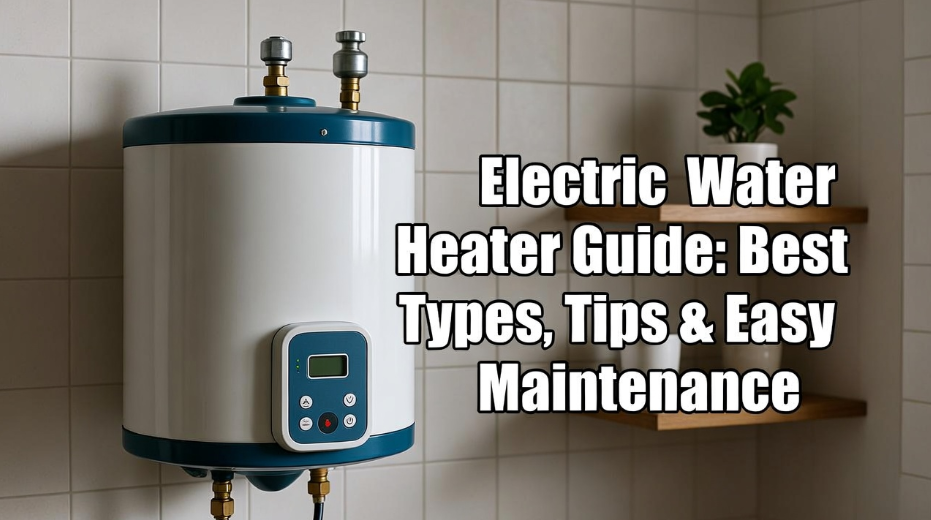
Have you ever stepped into a cold shower on a chilly morning? It is not a fun way to start your day! That is why having a reliable electric water heater is so important for every home. These clever machines work hard behind the scenes to make sure you have warm water for baths, dishes, and laundry. Unlike older systems that use gas or wood, an electric model uses power from your home outlets to heat up coils. It is a very clean and safe way to keep your family comfortable. Many people prefer them because they are often easier to install and don’t need special venting for smoke.
Choosing the right electric water heater can feel a bit like picking a new car. There are many sizes and styles to look at before you buy. Some sit in the corner of your garage like a big tank, while others are small and hang on the wall. The best part is that modern technology has made them much faster at heating than they used to be. You won’t have to wait forever for the water to get warm anymore. In this guide, we will look at how they work and how you can pick the perfect one for your house.
How Does an Electric Water Heater Actually Work?
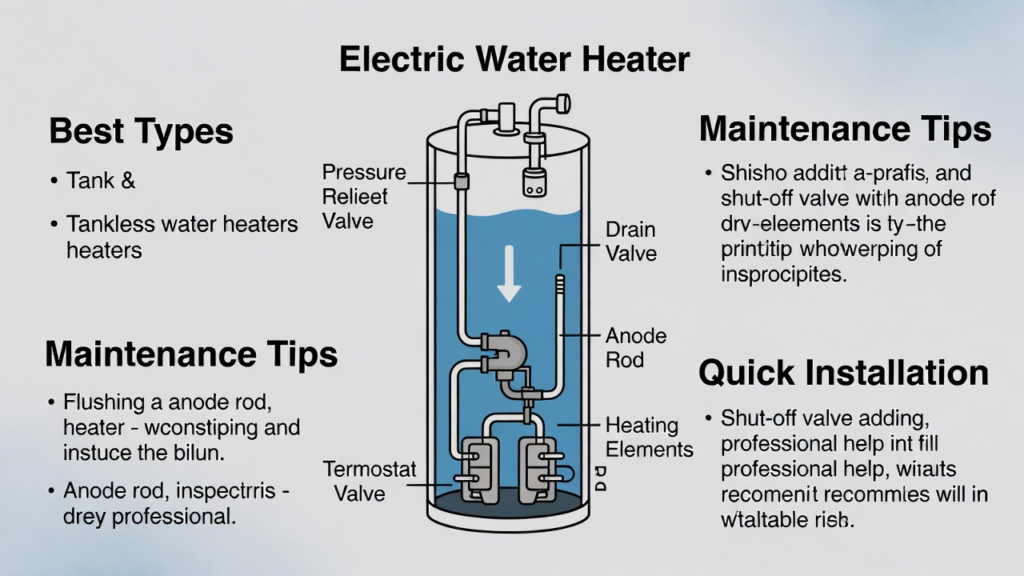
It might seem like magic, but the way an electric water heater works is actually quite simple. Inside the tank, there are metal rods called heating elements. When you turn on the hot water tap, electricity flows through these rods and makes them very hot. This heat then moves into the water, just like a big electric kettle in your kitchen. Most systems have two of these rods—one at the top and one at the bottom—to make sure all the water stays at the right temperature.
Once the water is hot, the electric water heater keeps it ready for you. A thick layer of insulation around the tank acts like a warm blanket. This stops the heat from escaping into the room. If the water starts to cool down, a part called a thermostat notices the change. It turns the power back on for a few minutes to top off the heat. This smart system ensures that whether you wake up at 6 AM or 10 PM, your shower will be exactly how you like it.
Understanding Different Types of Water Heaters
When you go shopping, you will see two main kinds of electric water heater models. The first is the “Storage Tank” style. This is the most common type people use today. It holds a large amount of water, usually between 40 and 80 gallons, and keeps it hot all day long. These are great for big families who need to run the dishwasher and take showers at the same time. They are usually the most affordable option when you first buy them, which is a nice bonus for your wallet.
The second type is the “Tankless” electric water heater. People also call these “on-demand” heaters. Instead of keeping a big tank of water hot, they only heat the water when you turn the faucet on. This means you never run out of hot water, even if you take a very long shower! These units are very small and save a lot of space in your home. While they cost a bit more at the start, they can save you money on your electric bill because they aren’t running when you are asleep.
Comparing Electric Water Heater Features
| Feature | Storage Tank Heater | Tankless Heater | Hybrid Heat Pump |
| Initial Cost | Low / Budget Friendly | Medium to High | High |
| Space Needed | Large Closet or Corner | Very Small (Wall Mount) | Large (Needs Airflow) |
| Hot Water Limit | Limited by Tank Size | Endless Hot Water | Limited by Tank Size |
| Energy Use | Moderate | Very Low | Lowest (Very Efficient) |
| Lifespan | 10–15 Years | 20+ Years | 10–15 Years |
The Benefits of Going Electric
There are many reasons why an electric water heater is a smart choice for modern homeowners. First, they are generally safer than gas models because there is no risk of gas leaks or fire from a pilot light. You also don’t have to worry about carbon monoxide, which is a big relief for parents. Second, the installation process is usually much faster. Since you don’t need a chimney or a gas line, a plumber can often get your new unit running in just a few hours.
Another huge plus for an electric water heater is how quiet it is. You will barely even know it is running! It doesn’t make clicking sounds or loud whooshing noises like some other systems. Also, electricity is available almost everywhere. If you live in a rural area where gas lines don’t reach, electricity is your best friend. Many people also like that they can pair their heater with solar panels. This lets you use the sun’s energy to heat your water, which is amazing for the planet.
Choosing the Right Size for Your Family
Picking the size of your electric water heater is very important. If you get one that is too small, someone is going to end up with a cold shower! A small family of two people usually only needs a 30 or 40-gallon tank. However, if you have four or five people in your home, you should look at a 50 or 60-gallon model. You want to make sure the “First Hour Rating” matches your busiest time of day, like when everyone is getting ready for school and work.
If you choose a tankless electric water heater, you don’t look at gallons. Instead, you look at “Gallons Per Minute” (GPM). This tells you how many faucets you can turn on at once. For example, if you want to run the shower and the laundry at the same time, you need a unit with a higher GPM. It is always a good idea to count how many bathrooms you have before you go to the store. Being prepared helps you find the perfect fit for your lifestyle.
Simple Ways to Save Energy and Money
Everyone loves saving money on their bills! Your electric water heater is often the second biggest energy user in your home. One easy trick is to turn the temperature down to 120 degrees Fahrenheit. Many heaters come set to 140 degrees from the factory, which is actually hotter than most people need. Lowering it just a little bit can save you a lot of money every month. It also makes the water safer so young children don’t accidentally get burned.
Another great tip is to use an insulation jacket if you have an older electric water heater. This is like putting a coat on your tank to keep the heat inside. You can also install “low-flow” showerheads. These cool gadgets use less water but still feel like a powerful shower. Because you are using less water, your heater doesn’t have to work as hard. Taking shorter showers is the simplest way to help, but even a few small changes can add up to big savings over a whole year.
How to Maintain Your Heater for a Long Life
To keep your electric water heater happy, you should give it a little bit of love once a year. One of the best things you can do is “flush” the tank. Over time, tiny bits of sand and minerals from the water settle at the bottom. This is called sediment. If too much builds up, it makes the heater work much harder and can even cause it to break. Draining a few gallons of water out of the valve at the bottom helps wash that junk away.
You should also check the “Anode Rod” every few years. This is a special rod inside the electric water heater that stops the tank from rusting. Think of it like a shield that takes the damage so the tank doesn’t have to. If the rod looks thin or eaten away, you can just buy a new one for a small price. Replacing this rod is much cheaper than buying a whole new heater! Keeping an eye on these small things will help your machine last for fifteen years or even longer.
Signs You Might Need a New Heater
Nothing lasts forever, and eventually, you might need to replace your electric water heater. One big sign of trouble is if you see rusty-looking water coming out of your faucets. This could mean the inside of your tank is starting to corrode. Another sign is hearing strange popping or rumbling noises. This usually happens when sediment at the bottom gets too thick. If you see water puddling on the floor around the base of the unit, that is a serious leak and you should call a pro right away.
If your electric water heater is more than twelve years old, it might be time to start looking at new models anyway. Older units are not nearly as efficient as the ones made today. You might find that a new heater pays for itself in just a few years through lower energy bills. Modern heaters use better materials and smarter computers to manage heat. Even if your old one is still working, upgrading can give you peace of mind and more hot water for your family to enjoy.
Safety First: Important Tips for Owners
Safety is the most important thing when dealing with an electric water heater. Always make sure the power is turned off at the breaker box before you touch any wires or parts. Water and electricity do not mix well, so being careful is a must! You should also check the Pressure Relief Valve once a year. This is a small lever on the side or top of the tank. If the pressure inside gets too high, this valve lets some water out so the tank doesn’t burst.
Keep the area around your electric water heater clear and clean. Don’t stack boxes, clothes, or cleaning supplies right next to it. It needs a little bit of “breathing room” to stay safe. If you ever smell something burning or see sparks, turn off the power immediately. Most people find that electric models are very reliable and rarely have problems. By following these simple safety rules, you can enjoy your hot water without having to worry about any accidents in your home.
Why Professional Installation is a Smart Idea
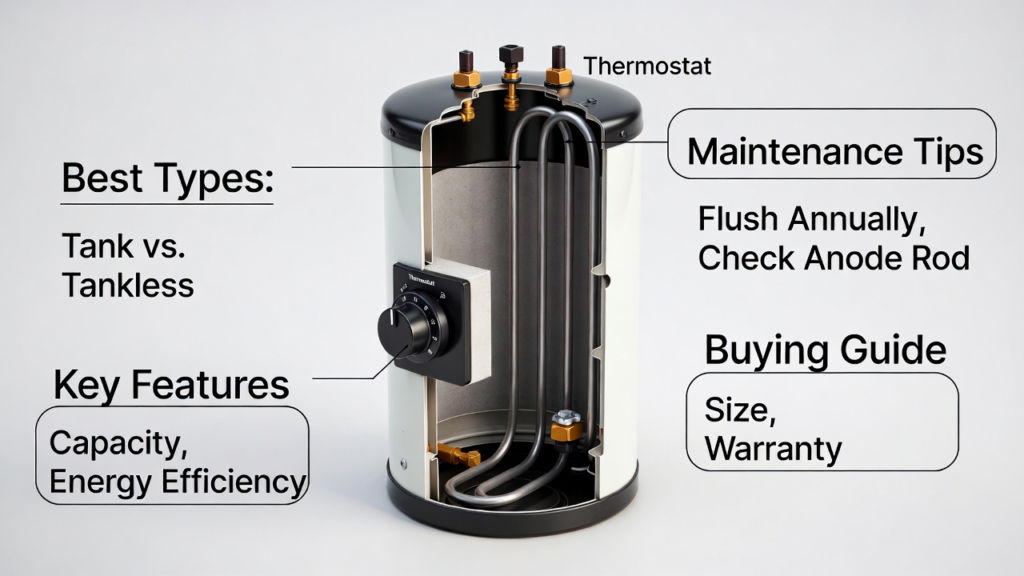
While some people love DIY projects, installing an electric water heater is usually a job for a professional. A plumber knows exactly how to connect the pipes so they don’t leak. They also understand the local building codes that keep your home safe. If the wiring isn’t done correctly, it could cause a fire or damage your new heater. Hiring a pro ensures that the job is done right the first time, which saves you stress and money in the long run.
A professional can also help you dispose of your old electric water heater. Those big tanks are very heavy and hard to move by yourself. Most plumbers will take the old one away and recycle the metal for you. They can also give you great advice on which brand is the most reliable in your area. Having an expert set everything up gives you a warranty and the confidence that your family will have hot water for many years to come.
Common FAQs About Electric Water Heaters
1. How long does a typical electric water heater last? Most tank-style heaters last between 10 and 15 years. If you take good care of it by flushing the sediment, it might even last longer! Tankless models can last up to 20 years because they don’t hold water inside all the time.
2. Is it cheaper to run a gas or electric water heater? This depends on where you live. In some places, gas is cheaper, but electric water heater units are often cheaper to buy and install. They are also much more efficient at turning energy into heat without wasting it.
3. What temperature should I set my heater to? Experts recommend setting it to 120 degrees Fahrenheit. This is hot enough for dishes and showers but cool enough to prevent accidental burns. It also helps you save money on your monthly electricity bill.
4. Why is my hot water running out so fast? This could be because your tank is too small for your family. It could also mean one of the heating elements inside your electric water heater has burned out. If only one rod is working, the water won’t stay hot for very long.
5. Do tankless electric heaters provide instant hot water? Not exactly. They provide “endless” hot water, but it still takes a few seconds to travel through the pipes from the heater to your sink. Once it arrives, though, it will stay hot as long as you leave the faucet on.
6. Can I install an electric water heater outside? In most cases, no. These units are designed to be kept indoors where they are protected from rain and freezing cold. If you live in a very warm place, there are special covers, but inside a garage or closet is always best.
Conclusion: Enjoying Your Hot Water
Investing in a high-quality electric water heater is one of the best things you can do for your home. It brings comfort, safety, and efficiency to your daily routine. Whether you choose a classic tank model or a modern tankless version, you are making a choice that will serve your family for a long time. Remember to keep up with simple maintenance like flushing the tank and checking the anode rod to get the most out of your purchase.
Are you ready to upgrade your home’s comfort? Taking the time to pick the right size and type will ensure you never have to worry about a cold shower again.