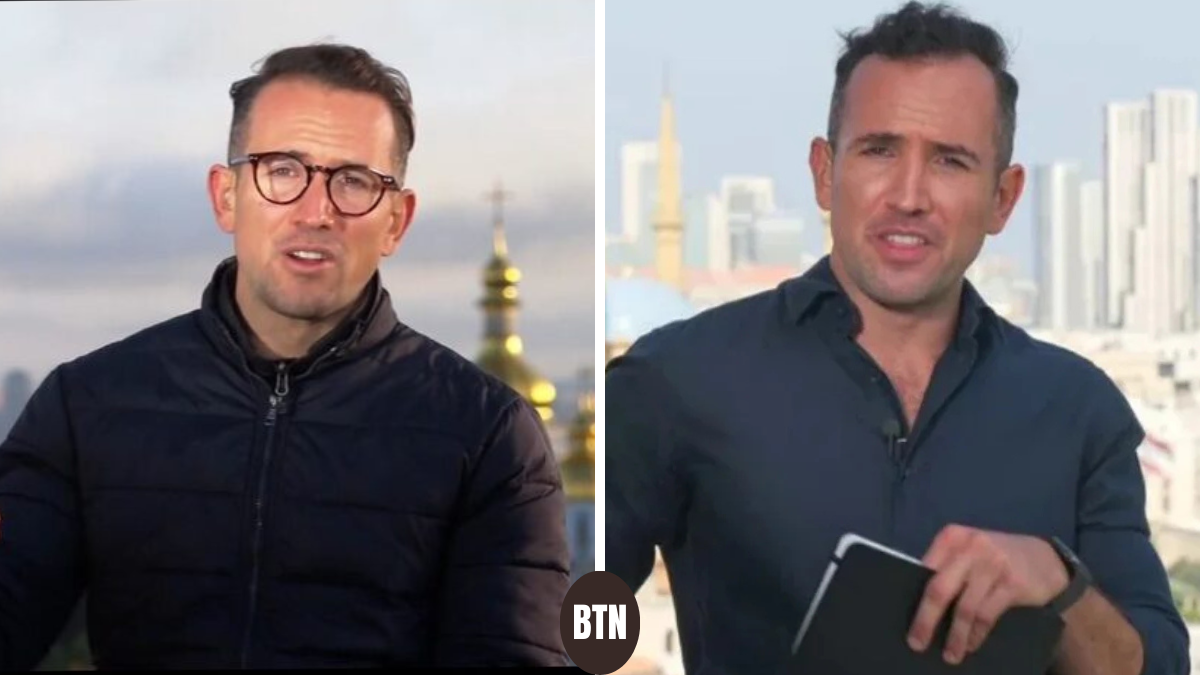
Introduction to Hugo Bachega Biography
When people search for Hugo Bachega Biography, they are usually looking for more than just basic facts. They want to understand the person behind the reporting, the experiences that shaped him, and the professional values that guide his work. Hugo Bachega has become a recognizable and trusted name in international journalism, particularly through his work with the BBC.
The growing interest in Hugo Bachega Biography is closely tied to his calm and reliable reporting from conflict zones and politically sensitive regions. In an age where news can feel rushed or sensationalized, his composed delivery and factual storytelling stand out. Audiences appreciate his ability to explain complex global events without unnecessary drama.
This article explores Hugo Bachega Biography in detail, covering his early life, education, career milestones, reporting style, and public reputation. The goal is to provide a complete, well-rounded perspective that feels both expert and easy to read.
Early Life and Background
A key part of Hugo Bachega Biography begins with his roots in Brazil. Being born and raised in a country known for political diversity and social contrasts gave him early exposure to the realities of power, inequality, and public discourse. These experiences often influence journalists long before they formally enter the profession.
Growing up, Hugo Bachega developed a natural curiosity about world events and how decisions made by governments affect everyday people. This curiosity later became a driving force in his career. His background helped him relate to stories involving political change, social tension, and human resilience.
In many ways, Hugo Bachega Biography reflects someone shaped by observation. Instead of seeking attention, he learned to listen, analyze, and understand. These traits became essential as he transitioned into international journalism, where cultural awareness and sensitivity matter greatly.
Education and Journalistic Foundation
Another important chapter in Hugo Bachega Biography is his academic journey. He pursued formal education in journalism and media-related studies, equipping himself with the theoretical knowledge needed to navigate modern newsrooms. This education laid the groundwork for his disciplined approach to reporting.
During his studies, Bachega focused on research skills, ethical reporting, and clear communication. These are not always visible to viewers, but they form the backbone of trustworthy journalism. His academic training helped him understand how to verify information and present balanced perspectives.
The education phase of Hugo Bachega Biography also highlights patience and persistence. Like many respected journalists, he spent years learning the craft before stepping into prominent on-air roles. This steady development contributed to the confidence and credibility audiences see today.
Career Growth and BBC Journey

The most widely known phase of Hugo Bachega Biography is his career with the BBC. Joining one of the world’s most respected news organizations marked a turning point in his professional life. The BBC’s strict editorial standards aligned well with his values as a journalist.
Over time, Hugo Bachega took on major international assignments, reporting from regions experiencing political upheaval and armed conflict. His coverage of Eastern Europe, particularly during the Russia-Ukraine war, brought his work to a global audience. Viewers valued his clear explanations and on-the-ground insights.
What stands out in Hugo Bachega Biography during his BBC years is consistency. He delivers information calmly, even in tense situations, reinforcing trust. His work demonstrates how responsible journalism can inform without inflaming emotions.
Reporting Style and Professional Ethics
A defining feature of Hugo Bachega Biography is his reporting style. He avoids exaggeration and focuses on facts, context, and verified sources. This approach is especially important when covering wars and humanitarian crises, where misinformation can spread quickly.
Hugo Bachega is known for his respectful tone when discussing sensitive topics. He prioritizes the human impact of events rather than political theatrics. This ethical awareness has earned him respect among colleagues and viewers alike.
In today’s fast-paced media environment, Hugo Bachega Biography represents a journalist committed to long-term credibility rather than short-term attention. His professionalism shows that trust is built through accuracy, not volume.
Personal Life and Public Image
While Hugo Bachega Biography focuses heavily on his professional achievements, his personal life remains largely private. He does not share much about his family or relationships, choosing instead to keep the spotlight on his work. This discretion aligns with his serious journalistic image.
His public image is shaped by his composed on-screen presence. Viewers often describe him as calm, thoughtful, and attentive. These qualities help audiences feel informed rather than overwhelmed, especially during breaking news situations.
By separating personal life from professional identity, Hugo Bachega Biography reflects a journalist who values substance over self-promotion. This balance enhances his credibility and reinforces audience trust.
Impact and Importance in Modern Journalism
The broader significance of Hugo Bachega Biography lies in what it represents for modern journalism. At a time when opinions often overshadow facts, his work serves as a reminder of the importance of responsible reporting. He shows that clarity and accuracy still matter.
His reporting helps global audiences understand complex conflicts without oversimplification. This educational role is a vital part of international journalism and a core reason why Hugo Bachega Biography continues to attract attention.
As news consumption habits change, journalists like Bachega demonstrate that professionalism remains relevant. His career offers a model for aspiring reporters who want to prioritize integrity.
Conclusion: Understanding Hugo Bachega Biography
In conclusion, Hugo Bachega Biography is a story of steady growth, ethical commitment, and journalistic excellence. From his early life in Brazil to his respected role at the BBC, his journey highlights the value of patience and responsibility in media.
The continued interest in Hugo Bachega Biography shows that audiences still care about who delivers the news, not just the news itself. Trust, once earned, becomes a powerful connection between journalist and viewer.
Ultimately, Hugo Bachega Biography is not just about one individual. It represents the standards that keep journalism meaningful in a complex world—accuracy, humanity, and respect for the truth.