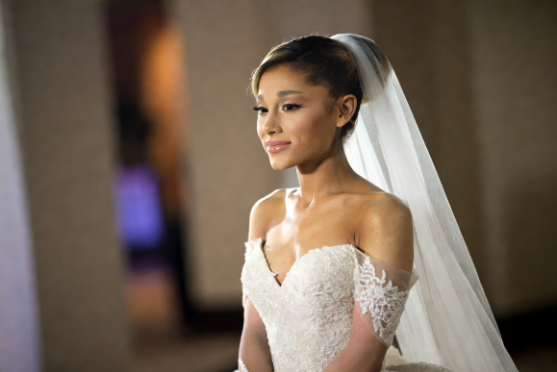
Ariana Grande wedding dress became one of the most talked-about celebrity bridal looks in the world. When Ariana Grande got married, fans were excited to see what she would wear. Instead of a big and heavy gown, she chose a simple, elegant, and very classy wedding dress. This choice surprised many people, but it also inspired brides everywhere.
Ariana Grande wedding dress showed that beauty does not always need sparkle or drama. Sometimes, soft style and clean design can make a stronger statement. In this article, we will explore everything about her wedding dress, from the designer to the style, fabric, and why it became so popular.
Ariana Grande Wedding Dress Overview
Ariana Grande married Dalton Gomez in a private ceremony in May 2021. The wedding was small and personal, with close family and friends. Her dress perfectly matched the calm and loving mood of the event.
The Ariana Grande wedding dress was strapless, fitted, and very graceful. It hugged her body gently and had a soft train at the back. The dress did not have heavy embroidery or loud designs. Instead, it focused on clean lines and smooth fabric.
This look showed Ariana’s mature and elegant side. Many fans said the dress looked timeless and classic, not trendy or overdone.
Designer of Ariana Grande Wedding Dress
The Ariana Grande wedding dress was designed by Vera Wang. Vera Wang is one of the most famous wedding dress designers in the world. She is known for creating dresses for celebrities and modern brides.
Vera Wang worked closely with Ariana to create a dress that felt personal. The goal was to design something simple, romantic, and meaningful. The final result was a dress that looked soft and graceful, just like Ariana’s personality.
This collaboration made the Ariana Grande wedding dress even more special. Fans loved knowing that a legendary designer helped bring Ariana’s bridal dream to life.
Style and Design of Ariana Grande Wedding Dress
The style of the Ariana Grande wedding dress was minimal and elegant. It had a strapless neckline that showed her shoulders and collarbone beautifully. The fitted bodice gave the dress a smooth and clean shape.
The back of the dress featured a gentle curve and a small train. There were no extra layers or heavy decorations. The simplicity made the dress feel modern and timeless at the same time.
Ariana also wore a short veil with a bow on top. This added a cute and playful touch to the classic design. The veil matched perfectly with the dress and completed the bridal look.
Fabric Used in Ariana Grande Wedding Dress
The Ariana Grande wedding dress was made from silk satin. This fabric is known for its soft texture and gentle shine. Silk satin flows beautifully and feels very comfortable to wear.
The smooth fabric helped the dress fall naturally on Ariana’s body. It also added a soft glow without looking shiny or flashy. This choice of fabric matched the simple and elegant theme of the wedding.
Many brides loved this detail because silk satin is both luxurious and easy to wear. It made the Ariana Grande wedding dress look expensive yet effortless.
Why Ariana Grande Wedding Dress Went Viral
The Ariana Grande wedding dress went viral because it was unexpected. Many people thought Ariana would wear a big princess gown. Instead, she chose something calm and refined.
Photos from the wedding spread quickly on social media. Fans praised the dress for its beauty and simplicity. Fashion experts also loved how the dress focused on shape and fabric instead of heavy decoration.
The dress became a trendsetter. Many brides started searching for simple strapless wedding dresses inspired by Ariana Grande wedding dress.
Ariana Grande Wedding Dress and Modern Brides
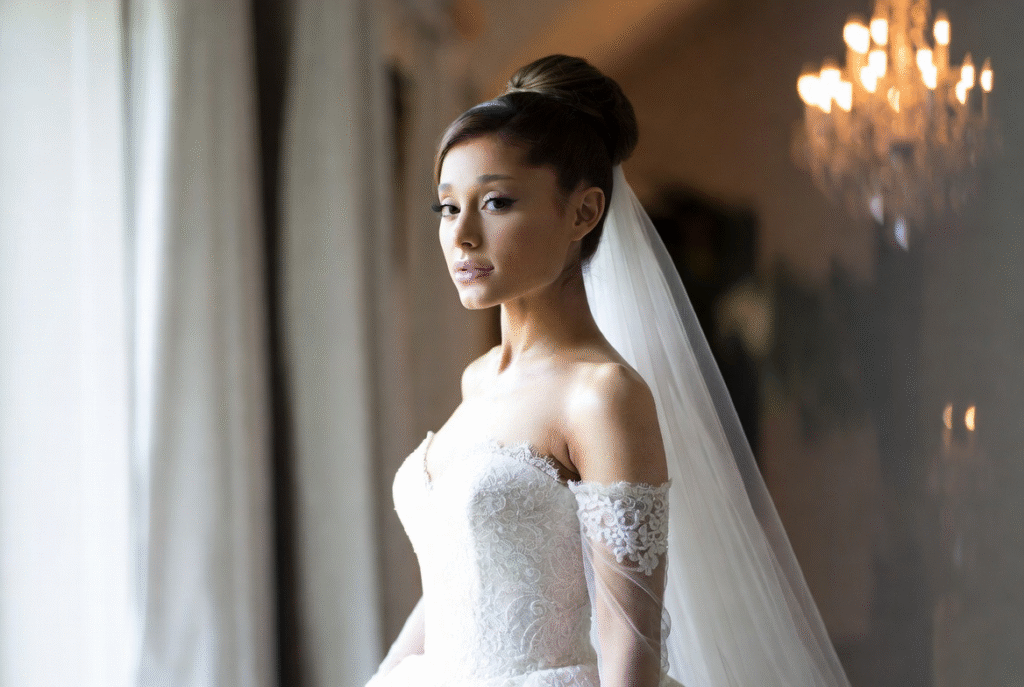
Modern brides often want dresses that feel comfortable and personal. The Ariana Grande wedding dress fits this idea perfectly. It showed that a bride does not need a heavy gown to look stunning.
Many brides now choose minimalist dresses with clean designs. Ariana’s dress encouraged women to focus on what feels right for them, not just traditions.
This is why the Ariana Grande wedding dress is still talked about today. It represents confidence, love, and personal choice.
Accessories Worn with Ariana Grande Wedding Dress
Ariana kept her accessories very simple. She wore pearl earrings, which added a soft and classic touch. Pearls matched well with the elegant style of the dress.
Her makeup was natural, with soft tones that highlighted her features. Her hair was styled in a sleek ponytail, which is her signature look. This hairstyle made the dress stand out even more.
All these details worked together to make the Ariana Grande wedding dress the center of attention.
Ariana Grande Wedding Dress Compared to Other Celebrity Dresses
Many celebrity wedding dresses are big and dramatic. Some have long trains, heavy embroidery, or bold colors. The Ariana Grande wedding dress was different.
It focused on quiet beauty instead of showy fashion. This made it stand out among other celebrity bridal looks. People remembered it because it felt real and personal.
Compared to other celebrity dresses, Ariana’s choice felt more relatable. Many brides felt they could wear something similar on their own wedding day.
Influence of Ariana Grande Wedding Dress on Bridal Fashion
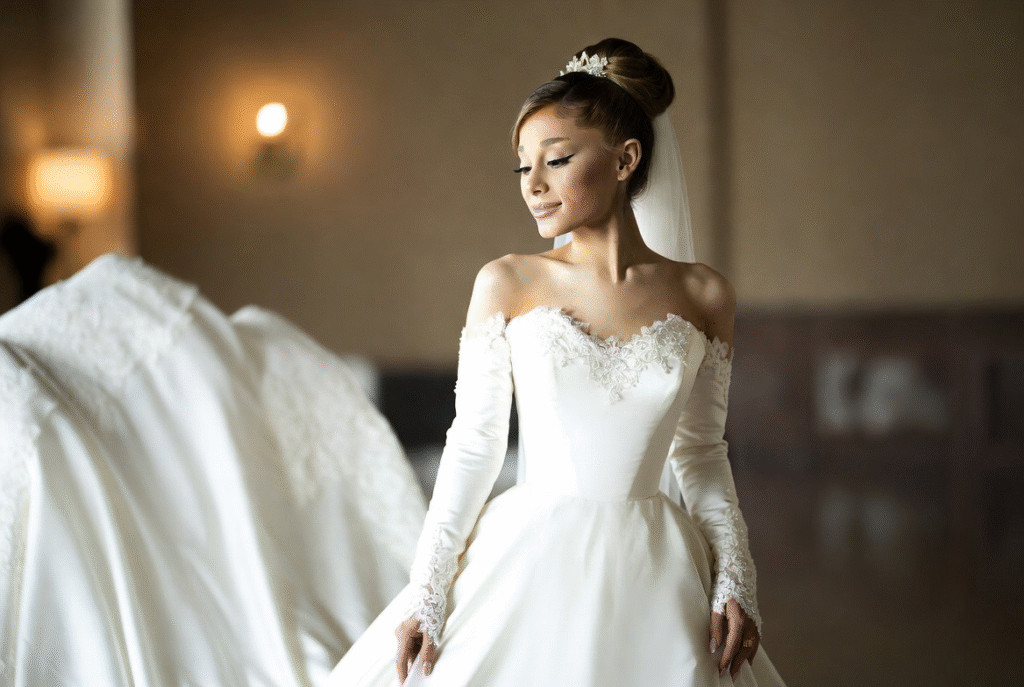
The Ariana Grande wedding dress had a strong influence on bridal fashion. After her wedding, many designers started promoting minimalist wedding gowns.
Simple strapless dresses, silk satin fabrics, and short veils became more popular. Bridal boutiques noticed an increase in brides asking for similar styles.
This shows how powerful celebrity fashion can be. Ariana’s dress helped change how people see modern wedding fashion.
Conclusion
The Ariana Grande wedding dress is a perfect example of beauty in simplicity. It showed that a wedding dress does not need to be heavy or dramatic to be unforgettable.
Ariana’s choice reflected love, maturity, and confidence. Her dress will be remembered as one of the most elegant celebrity wedding dresses ever.
For brides looking for inspiration, the Ariana Grande wedding dress is a reminder to choose what feels true to your heart. Simple, soft, and timeless styles can create the most beautiful memories.